
Tattoos are more than just ink on skin; they are one of the oldest and most enduring forms of human expression. From ancient tribal rituals to modern aesthetic trends, tattoos convey a narrative of identity, beliefs, and one’s life journey.
The History of Tattoos: Traces of Thousands of Years
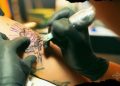
The word “tattoo” is believed to originate from the Polynesian word “tatau,” meaning to mark something. However, the practice existed long before the term became global.
- Ötzi the Iceman: The oldest evidence of tattooing was found on the mummy of “Ötzi,” who is estimated to have lived around 3,300 BC. His body bore more than 60 tattoos consisting of lines and dots, which are thought to have served a therapeutic purpose (a form of ancient acupuncture).
- Ancient Egypt: Tattoos were found on ancient Egyptian female mummies, often symbolizing protection, fertility status, or dedication to a particular deity.
- Ethnic Groups of the World: For the Dayak people of Kalimantan, the Maori of New Zealand, and even the Polynesians, tattoos symbolized maturity, achievements in war, or protective amulets in the afterlife.
The Meaning Behind Ink
Universally, tattoos have meanings that evolve according to cultural context and time:
- Identity and Social Status In the past, tattoos often served as “visual ID cards.” They indicated a person’s ethnicity, status in society, or the number of enemies they had defeated.
- Rituals of Adulthood Many traditional cultures used tattoos as part of a rite of passage from childhood to adulthood. The painful process was considered a test of courage and endurance.
- Spirituality and Protection Many people inked their bodies with sacred symbols or prayers. Tattoos were considered permanent amulets to ward off evil spirits or bad luck.
- Self-Expression and Modern Art Today, the meaning of tattoos has shifted to become more personal. Tattoos are used to commemorate important events, honor loved ones, or simply as a form of appreciation for the aesthetics of visual art.
The Evolution of Tattoo Technology
In the past, tattoos were created using traditional tools such as plant thorns, animal bones, or sharpened pieces of wood, which were hand-taped. The ink used was derived from soot or other natural materials.
Entering the modern era, in 1891, Samuel O’Reilly patented the first electric tattoo machine, inspired by Thomas Edison’s electric pen. This invention revolutionized the world of tattooing, making it faster, more precise, and more hygienic, leading to the development of various styles, including Traditional, Realism, Tribal, and the now-popular Minimalist style.

